
Associazione Chiesa d'Inghilterra
The Church of England in Italy
Who is Jesus?
At the heart of everything we believe is Jesus Christ.
We believe that Jesus is the Son of God who became fully human. Conceived by the Holy Spirit and born of the Virgin Mary, he shared our human life in all its joys and struggles. He welcomed the outsider, forgave generously, healed compassionately, and revealed the depth of God’s love.
Through his teaching and example, Jesus proclaimed the coming of God’s kingdom — a kingdom marked by justice, mercy, and peace. In his life we see what it means to love God and neighbour fully.
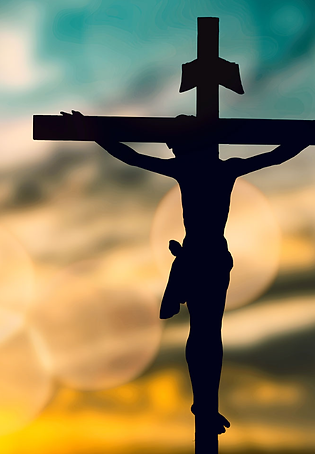
Through his death on the cross and his resurrection, he overcomes sin and death and opens the way to new life. In him, we see not only who God is — but who we are called to become.
Faith in Jesus is not simply intellectual agreement with doctrines, but a living relationship of trust and grace that transforms individuals and communities, drawing us into God’s life and sending us out in love to serve the world.

Scripture
Creeds
& Tradition
Our faith is rooted in Scripture, the historic Creeds, worship, and the ongoing discernment of the Church.
We believe the Old and New Testaments to be the inspired Word of God, containing all that is necessary for salvation. In Scripture we encounter the story of God’s creation, covenant, redemption, and hope for the world — a story that finds its fulfilment in Jesus Christ.
In our worship, the Bible is read publicly at every service. It shapes our preaching, our prayers, and our life together. We seek to read Scripture faithfully, thoughtfully, and prayerfully, listening for the voice of the Holy Spirit speaking to the Church today.
Alongside Scripture, we affirm the historic creeds of the Church: the Apostles’ Creed and the Nicene Creed. These ancient statements of faith unite us with Christians across centuries and cultures. When we say the Creed together, we are standing within the living tradition of the one, holy, catholic, and apostolic Church.
As part of the Church of England, our doctrine is grounded in Scripture, expressed in the Creeds, lived in worship, and discerned faithfully by the Church over time. This balance ensures that our faith remains both rooted and responsive — faithful to God’s truth while attentive to the Spirit’s guidance today.
The Sacraments
Our worship draws on the rich heritage of the Church of England, especially the Book of Common Prayer and Common Worship. We gather as a community to pray, sing, and celebrate the sacraments, which are signs of God’s presence and grace in our lives.
We celebrate two sacraments given by Christ: Baptism – the beginning of the Christian journey, welcoming us into God’s family - and Holy Communion (Eucharist) – receiving bread and wine which convey to us Christ’s real presence, uniting us with God and one another, and placing us in the grace of redemption.
In addition, we observe other historic sacramental ministries that mark important moments of faith and service: Confirmation, Marriage, Ordination, Reconciliation, Anointing of the Sick.
Through the sacraments, we make memory of God’s love, whereby we are transformed as a community, strengthened for service, and sent into the world to live Christ’s love. Our worship blends reverence, reflection, and joyful celebration, connecting us with Christians across Italy, the world, and the centuries.


Loving our Neighbor
When asked what matters most, Jesus answered: love God and love your neighbour.
These two commandments shape the heart of Christian life.
As a church community spread across Italy, we seek to live this calling through hospitality, generosity, and service. Many who join our congregations are far from home, and we try to offer places of welcome, friendship, and prayer.
Loving our neighbour means putting faith into action:
-
Welcoming those who are new or far from home
-
Caring for those who are struggling or in need
-
Supporting one another in times of difficulty
-
Working for justice, peace, and reconciliation
We believe that faith is not only something we profess, but something we practice in daily life. In our churches and communities, we seek to reflect the compassion of Christ and to serve others with humility and hope.


The Church of England is episcopal in structure, led by bishops in the historic apostolic tradition together with priests and deacons. Ordained ministry, rooted in the episcopate, carries particular responsibility for preaching the Gospel, celebrating the sacraments, and guarding the faith and unity of the Church.
At the same time, the Church of England is also synodical. Its life and direction are discerned through councils known as synods, where bishops, clergy, and lay representatives meet for prayer, discussion, and decision-making. This form of governance developed over time and took its present shape with the creation of the General Synod of the Church of England in 1970. The Church is therefore not simply a democracy, but a community ordered for shared discernment.
The Church of England is also a national church, historically connected with the life of the English people. While the English Reformation reshaped its life and governance, the English Church understands itself as part of the continuous Christian tradition that predates the Reformation.
This vision was expressed by the theologian Richard Hooker, who taught that the Church is guided by Scripture, the wisdom of tradition, and the careful use of human understanding. For this reason, the Church of England is not defined by a single confessional statement, but by a living tradition of worship, teaching, and discernment.
Here in Italy, our chaplaincies belong to the Diocese in Europe and share in the life of the worldwide Anglican Communion, gathered spiritually around the Archbishop of Canterbury.

Ecumenical Relationships
We affirm the ancient Christian creeds and share the core faith of the universal Church.
Living in Italy brings us into daily contact with Roman Catholic, Orthodox, and Protestant communities. We value friendship, cooperation, and theological dialogue, and we seek to work together wherever possible in prayer, service, and witness to the Gospel.
The Church of England has long been engaged in the search for Christian unity. At the same time, Anglican identity is not simply a compromise or “middle way” between other traditions. Rather, the Church of England understands itself as a reformed catholic church: part of the historic, universal Church, shaped by the renewal of the Reformation, and possessing its own distinct theological and spiritual tradition.
This identity allows Anglicans to stand in continuity with the ancient Church while also engaging openly with other Christian traditions. Our approach to ecumenical relationships is therefore marked by humility, honesty, and hope.
We pray for the unity of the Church, trusting that what unites us in Christ is deeper than what divides us, and seeking in our time to grow closer together in faith, charity, and common mission.

Ministry
The Church of England maintains the threefold ministry of bishops, priests, and deacons, a pattern that reaches back to the earliest centuries of the Church. Bishops serve as pastors and overseers of the Church’s life, guarding its faith and unity. Priests share in this ministry by preaching the Gospel, celebrating the sacraments, and caring for the people of God in local congregations. Deacons are ordained for ministries of service, embodying the Church’s calling to serve the world in Christ’s name.
In the Church of England, clergy may be married or single, and both men and women are ordained as deacons, priests, and bishops. These developments reflect the Church’s continuing discernment about how the gifts of all the baptized may serve the life and mission of the Church.
Ordained ministry exists within the wider life of the whole Church. All Christians share in Christ’s mission through their baptism, and the ministry of the Church is carried forward through the varied gifts and callings of clergy and laity together.


Church & Society
The Church of England believes that Christian faith has implications not only for the life of the Church but also for the wider world.
Christians are called to work for peace and reconciliation, praying and advocating for an end to war and violence and supporting efforts that build justice and stability among nations.
The Church also encourages care for creation, recognising the responsibility given to humanity to steward the earth wisely and to protect the natural world for future generations.
In a world marked by movement and migration, Anglicans are called to welcome the stranger and to treat migrants and refugees with compassion, fairness, and respect.
LGBTQ+ persons, like all, are the treasured children of God and welcome in the Church of England. The Church affirms the human dignity and fundamental rights of every person, and rejects prejudice, violence, or discrimination.
In all these areas, the Church encourages Christians to act with humility, conscience, and a commitment to the common good.
